
 Blog
Blog Social

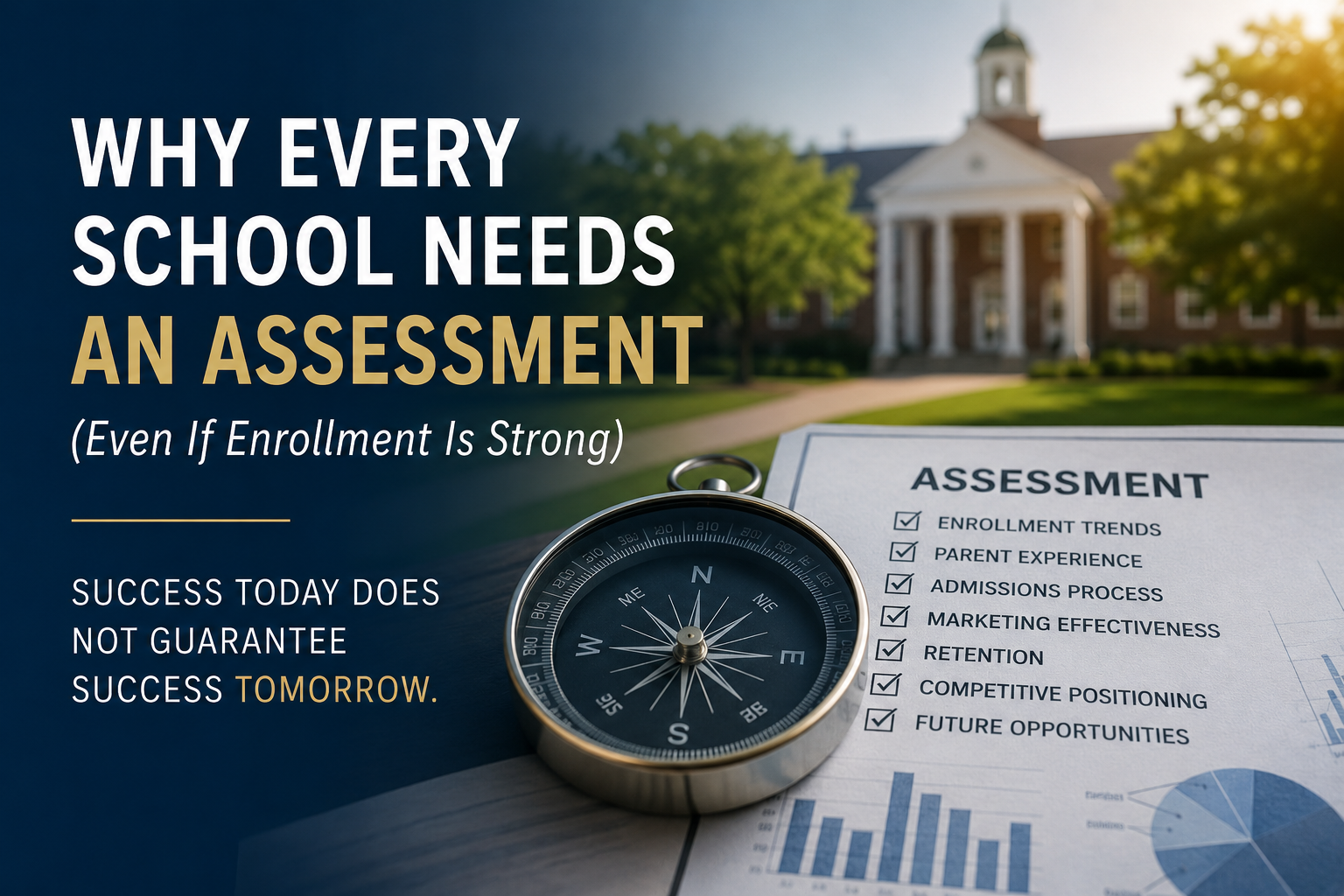
Why Every School Needs an Assessment (Even If Enrollment Is Strong)

 Summer is one of my favorite times to work with schools.
The pace is different. The urgency of daily admissions activities begins to ease, and leadership teams have an opportunity to step back from the day-to-day demands of running a school and think more strategically about the future.
Over the years, I’ve noticed there are generally two types of schools that call me.
The first group is easy to understand.
These are schools facing enrollment challenges. Enrollment may be declining. Retention may be slipping. Inquiries may be down. School leaders know something isn’t working, and they need help identifying the root causes.
The second group is more interesting.
These schools are thriving.
Enrollment is strong. Retention is healthy. Families are recommending the school to friends and neighbors. In some cases, there are waiting lists in certain grades and strong demand across the school.
Yet they call anyway.
Why?
Because the strongest schools understand something that every school leader should remember:
Success today does not guarantee success tomorrow.
In fact, many of the most successful schools I work with are the most committed to continuous assessment and improvement. They understand that enrollment success is not something to take for granted. It requires ongoing attention, intentionality, and a willingness to ask difficult questions before problems emerge.
A School in a Position of Strength
Last week I spent two days on the campus of King’s Schools in Seattle.
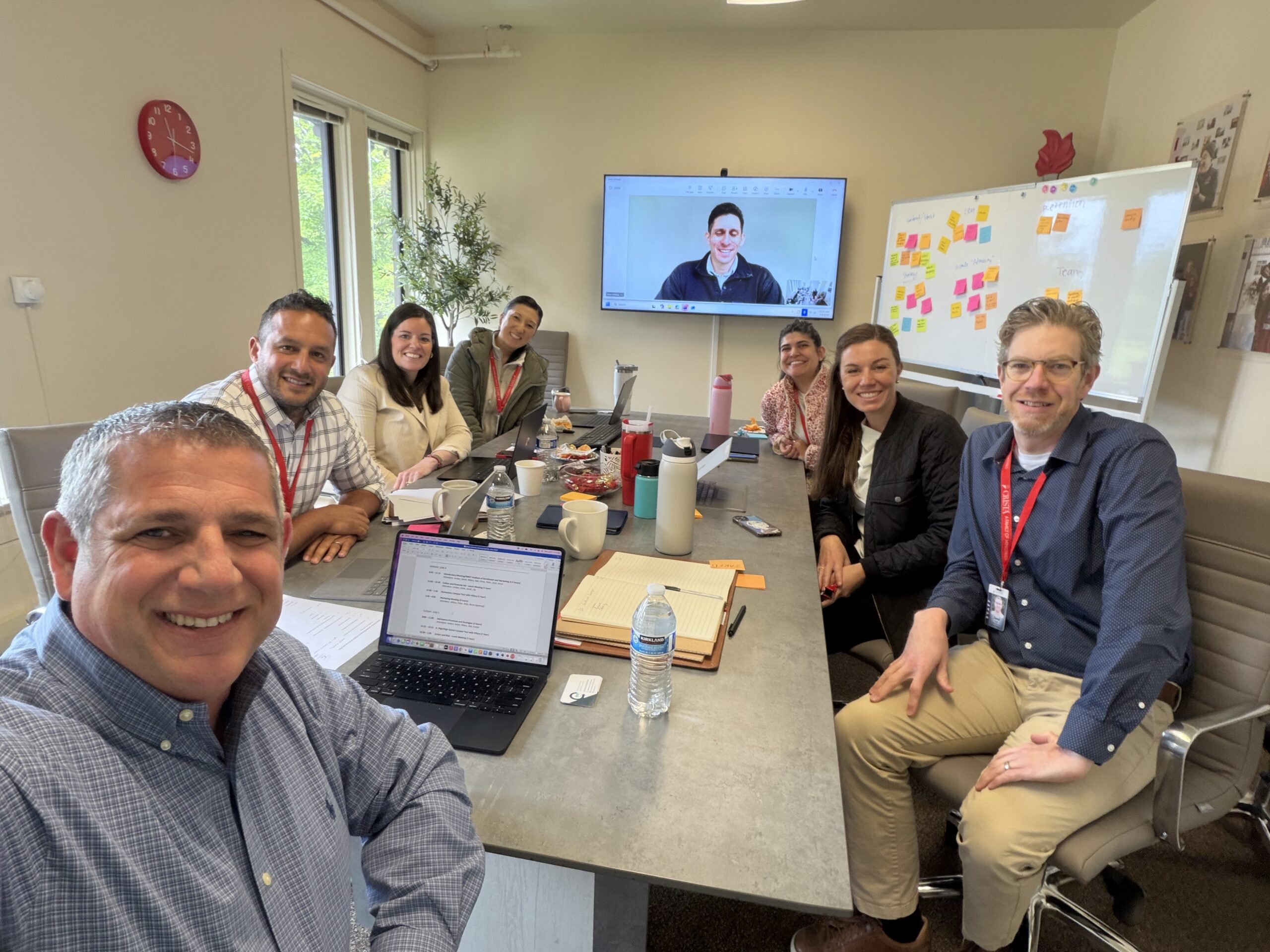 As I met with school leaders and reviewed their enrollment and marketing efforts, I found myself reflecting on how different this engagement was from what many people assume enrollment consulting looks like.
This wasn’t a school in crisis.
King’s Schools serves approximately 1,330 students. They have a strong reputation in their community, healthy enrollment, and a clear vision for the future. Most school leaders would look at their current situation and conclude there is little reason to conduct an enrollment assessment.
Their leadership team saw it differently.
They wanted an outside perspective. They wanted to identify opportunities for improvement. They wanted to ensure they were maximizing their admissions processes, marketing efforts, parent experience, and long-term enrollment strategy.
Most importantly, they are thinking about where they want to be in the future.
Their goal is not simply to maintain enrollment. They want to continue growing and serving more families. They have aspirations to add approximately 200 students in the years ahead.
That kind of growth doesn’t happen by accident.
It requires intentional leadership, strategic planning, and a willingness to evaluate what is working and what could be improved.
That’s what great leadership looks like.
Strong leaders don’t wait until problems become visible. They evaluate, adjust, and improve while they are in a position of strength.
The Myth of Enrollment Momentum
One assumption I occasionally encounter is the belief that strong enrollment today means strong enrollment tomorrow.
Unfortunately, enrollment doesn’t work that way.
Markets change. Demographics shift. New competitors enter the market. Parent expectations evolve. Leadership transitions occur. Economic pressures influence family decisions.
What worked five years ago may not work five years from now.
Schools that experience long-term enrollment success understand that today’s results are not a guarantee of future success. They recognize that continuous improvement is not a response to weakness. It is part of responsible leadership.
What Strong Schools Understand
One thing I’ve observed over the years is that enrollment success can sometimes create a false sense of security.
When inquiries are strong and enrollment goals are being met, it is easy to assume that every part of the enrollment process is working well. In reality, growth can sometimes hide weaknesses that don’t become visible until later.
A school may have parent communication gaps that are beginning to erode trust. Admissions follow-up processes may be inconsistent. Marketing efforts may no longer reflect the school’s strongest differentiators. Retention challenges may be developing beneath the surface.
None of these issues may create immediate problems. However, left unaddressed, they can eventually impact enrollment, retention, and school culture.
The strongest schools understand this. They are willing to challenge assumptions, seek outside perspectives, and examine areas that others may overlook.
What Should an Enrollment Marketing Assessment Examine?
When I conduct an enrollment assessment, I encourage schools to look beyond marketing alone.
Many school leaders initially assume their enrollment challenge is a marketing problem. Sometimes it is. Often, the underlying issues are much broader.
A comprehensive assessment should examine:
- Enrollment trends and patterns
- Student retention
- Parent satisfaction and parent experience
- Admissions processes and follow-up systems
- Marketing effectiveness and messaging
- Competitive positioning
- Internal communication and leadership alignment
- Word-of-mouth and referral activity
The goal is not simply to identify problems.
The goal is to gain clarity.
When school leaders have a clear understanding of what is working and what needs improvement, they can make better decisions and invest resources more effectively.
Assessment Is an Act of Stewardship
Sometimes schools view assessments as something they should do only when enrollment is declining.
I believe the opposite is true.
Assessment is one of the most important responsibilities of leadership.
As school leaders, we have been entrusted with institutions that impact students, families, faculty, and communities. Good stewardship requires more than celebrating today’s successes. It requires looking honestly at where we are, where we want to go, and what might stand in the way.
The schools that remain strong over time are rarely the schools that think they have everything figured out.
Instead, they remain curious.
They continue asking questions. They continue listening to families. They continue evaluating their systems and processes. And they continue making improvements long before those improvements become urgent.
A Few Questions to Consider This Summer
As you prepare for the coming school year, consider these questions:
- What assumptions are we making that we haven’t verified?
- Why do families choose our school?
- Why do families stay?
- Why do families leave?
- Where are prospective families experiencing friction?
- What would parents say about their experience if we asked them today?
- What opportunities for growth might we be overlooking?
- What would an outside perspective reveal?
Summer provides a unique opportunity to step back and explore questions like these before the demands of a new school year take over.
Final Thoughts
Whether your school is facing enrollment challenges or enjoying record enrollment, this may be the perfect time to conduct an honest assessment of your enrollment and marketing efforts.
The schools that struggle often wait until problems become visible before taking action.
The strongest schools assess before problems emerge.
They understand that success requires continuous improvement, thoughtful leadership, and a commitment to never stop learning.
Because success today does not guarantee success tomorrow.
If you’re wondering whether your school could benefit from an enrollment assessment, let’s have a conversation.
Sometimes the greatest value of an assessment isn’t finding a problem. It’s gaining confidence that you’re focusing on the right priorities and uncovering opportunities you may not have considered.
Whether your goal is to reverse declining enrollment, improve retention, strengthen your admissions process, or position your school for future growth, an outside perspective can often provide clarity and direction.
I’d be happy to learn more about your school, your goals, and the challenges or opportunities you’re currently facing.
Feel free to reach out if you’d like to explore whether an enrollment assessment could help your school take the next step forward.